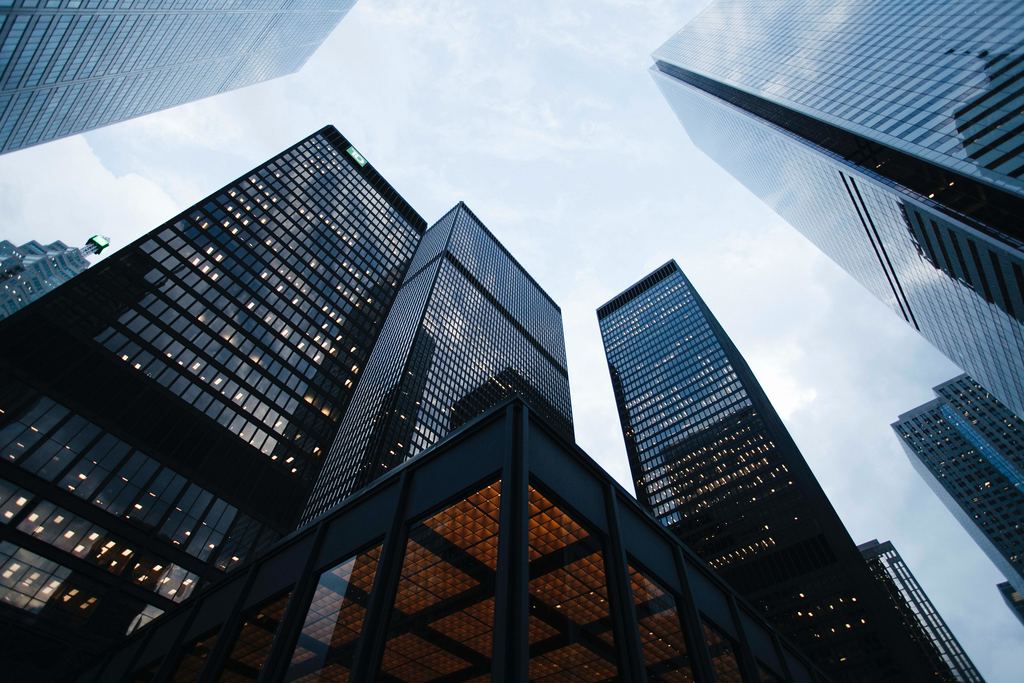
Are you a commercial real estate investor or landlord looking to maximize the potential of your properties? Look no further! Our blog is dedicated to providing you with invaluable insights, expert tips, and practical advice to navigate the world of commercial real estate. Whether you’re considering investing in commercial properties or seeking to optimize the performance of your existing portfolio, we’ve got you covered.
Discover the secrets to success in commercial real estate, and explore a wide range of topics designed to help you excel in this competitive industry. From general upkeep to specific maintenance needs, we provide valuable information on key areas of focus. Let’s take a closer look at some of the topics we cover:
1. General Upkeep: The Foundation of Success
Effective property management starts with general upkeep. Explore our articles on building maintenance, landscaping, and regular inspections. Discover the importance of creating a welcoming and well-maintained environment for your tenants and visitors. From addressing maintenance issues promptly to implementing preventive measures, learn how to keep your commercial properties in top-notch condition.
2. Commercial Carpet Cleaning: Prolonging the Life of Your Floors
Carpeting is a common flooring choice in commercial properties, and proper maintenance is essential to preserve its appearance and longevity. Dive into our resources on commercial carpet cleaning, including professional cleaning methods, stain removal techniques, and tips for ongoing care. Uncover the secrets to maintaining clean and fresh carpets that leave a positive impression on tenants, employees, and clients.
3. Commercial Power Washing: Revitalizing Exterior Surfaces
The exterior of your commercial property is the first thing people see, and its cleanliness can greatly impact the overall impression. Explore our articles on commercial power washing, which is an effective method for removing dirt, grime, and stains from various surfaces. Discover the benefits of power washing for sidewalks, parking lots, building facades, and outdoor spaces, and learn how to enhance the curb appeal of your property.
4. Commercial Artificial Turf: Creating an Inviting Outdoor Space
Outdoor areas play a crucial role in commercial properties, providing space for relaxation, recreation, and socialization. Uncover the advantages of commercial artificial turf and how it can transform outdoor spaces into attractive and low-maintenance areas. Explore the benefits of artificial turf, such as water conservation, durability, and year-round usability, and learn how to properly install and maintain this synthetic grass alternative.
5. Tenant Relations: Nurturing Long-Term Partnerships
Building positive relationships with tenants is paramount in commercial real estate. Discover strategies for effective tenant communication, addressing concerns promptly, and fostering a supportive environment. Learn how to create tenant satisfaction, increase tenant retention, and attract new tenants through exceptional property management practices.
6. Market Trends and Insights: Staying Ahead of the Curve
Stay updated on the latest market trends, regulations, and industry insights. Explore our articles on market analysis, economic indicators, and emerging investment opportunities. Arm yourself with the knowledge and information necessary to make informed decisions and stay ahead in the competitive commercial real estate landscape.
At “Mastering the Art of Commercial Real Estate: A Guide for Savvy Investors and Landlords,” we strive to provide you with the expertise and tools to excel in the dynamic world of commercial real estate. Subscribe to our newsletter and be the first to receive the latest articles, tips, and trends to help you navigate the industry with confidence.
Unlock the potential of your commercial properties, and let’s embark on this journey to master the art of commercial real estate together!
- Revolutionizing Real Estate with Foam Insulation: Energy Efficiency and Beyond

In the dynamic world of real estate, innovations that offer significant benefits to homeowners, investors, and developers alike are always in high demand. Foam insulation stands out as a game-changer, providing unmatched energy efficiency, enhanced comfort, and long-term sustainability. This blog post delves into how foam insulation is revolutionizing the real estate industry, exploring its advantages, various applications, and practical tips for implementation.
The Importance of Insulation in Real Estate
Insulation is a critical component in the construction and renovation of buildings, playing a key role in energy efficiency, indoor comfort, and overall property value. As the demand for sustainable and cost-effective housing continues to grow, foam insulation offers a solution that meets these needs and more.
Understanding Foam Insulation
Foam insulation comes in two primary forms: spray foam insulation and rigid foam board insulation. Both types provide superior insulating properties compared to traditional materials like fiberglass or cellulose.
Spray Foam Insulation
Spray foam insulation is applied as a liquid that expands into a foam, filling gaps and creating an airtight seal. It is available in two varieties:
- Open-Cell Spray Foam: This type is less dense, making it more flexible and effective at soundproofing. It is ideal for interior applications where moisture resistance is not a primary concern.
- Closed-Cell Spray Foam: Denser and more rigid, closed-cell spray foam offers higher R-value and moisture resistance, making it suitable for both interior and exterior applications, particularly in areas prone to high humidity.
Rigid Foam Board Insulation
Rigid foam board insulation consists of pre-formed boards made from materials such as polystyrene, polyisocyanurate, or polyurethane. These boards provide high insulating values and are commonly used in walls, roofs, and foundations to create a continuous insulation layer that minimizes thermal bridging.
Benefits of Foam Insulation in Real Estate
Foam insulation offers numerous benefits that make it an invaluable asset in the real estate industry:
Unmatched Energy Efficiency
Foam insulation’s high R-value per inch means it provides excellent thermal resistance. This capability helps maintain consistent indoor temperatures, reducing the need for heating and cooling, and leading to significant energy savings.
Example: A home retrofitted with spray foam insulation can see a reduction in energy bills by up to 50%, making it more cost-effective and environmentally friendly.
Enhanced Comfort
Foam insulation eliminates drafts, cold spots, and temperature fluctuations, creating a consistently comfortable indoor environment. It also acts as a sound barrier, reducing noise transmission and enhancing the overall living experience.
Example: In a multi-family building, applying open-cell spray foam insulation between units can significantly reduce noise transfer, providing a quieter and more private living space for residents.
Moisture Control and Mold Prevention
Closed-cell spray foam insulation acts as a moisture barrier, preventing water infiltration and reducing the risk of mold and mildew growth. This is particularly important in areas with high humidity or significant rainfall.
Example: A coastal property insulated with closed-cell spray foam in the walls and roof will remain dry and free from mold, protecting both the structure and indoor air quality.
Increased Structural Integrity
Closed-cell spray foam adds rigidity to walls and roofs, enhancing the structural integrity of the building. This can be especially beneficial in areas prone to high winds, hurricanes, or seismic activity.
Example: A home in a hurricane-prone region with closed-cell spray foam insulation in its roof and walls will be better equipped to withstand storm forces, ensuring greater safety and longevity.
Long-Term Cost Savings
While the initial investment in foam insulation may be higher than traditional materials, the long-term savings on energy bills, maintenance, and potential repairs make it a cost-effective choice.
Example: Over the lifespan of a home, the energy savings from foam insulation can more than offset the initial installation costs, providing significant financial benefits.
Applications of Foam Insulation in Real Estate
Foam insulation can be used in various parts of a property to enhance its performance and appeal:
Walls
Both spray foam and rigid foam board insulation can be used in walls to create a well-insulated building envelope. Spray foam is particularly effective in sealing gaps and cracks, while rigid foam boards provide continuous insulation and reduce thermal bridging.
Example: Transforming an old farmhouse with spray foam insulation in the walls drastically improves its energy efficiency and comfort, turning it into a modern, sustainable home.
Roofs and Attics
Insulating the roof and attic with foam insulation helps maintain consistent temperatures throughout the property and prevents heat loss during winter and heat gain during summer. Spray foam can be applied directly to the underside of the roof deck, creating an airtight seal and enhancing energy efficiency.
Example: An attic converted into a living space with spray foam insulation stays warm in winter and cool in summer, providing a comfortable and usable area year-round.
Basements and Crawl Spaces
Foam insulation is ideal for basements and crawl spaces due to its moisture resistance and ability to create an airtight seal. Closed-cell spray foam is particularly effective in these areas, preventing moisture infiltration and reducing the risk of mold growth.
Example: A basement transformed into a home gym or office space with closed-cell spray foam insulation remains dry and comfortable, ensuring a healthy and functional environment.
Exterior Applications
Rigid foam board insulation can be installed on the exterior of a property’s frame to create a continuous insulation layer. This method reduces thermal bridging and enhances the overall energy efficiency of the building.
Example: A mid-century modern home retrofitted with rigid foam board insulation on its exterior walls boasts improved energy performance and reduced heat loss, contributing to a more comfortable and sustainable living environment.
Practical Tips for Implementing Foam Insulation in Real Estate
To maximize the benefits of foam insulation in real estate projects, it’s important to follow best practices:
Choose the Right Type of Foam
Select the appropriate type of foam insulation based on the specific needs of the project. Open-cell spray foam is ideal for interior applications and soundproofing, while closed-cell spray foam and rigid foam boards are better suited for areas requiring high R-values and moisture resistance.
Tip: Consult with a professional insulation contractor to determine the best type of foam insulation for your property.
Ensure Proper Installation
Proper installation is crucial for maximizing the benefits of foam insulation. Hire experienced and certified installers who understand the intricacies of applying spray foam and installing rigid foam boards.
Tip: Request references and check reviews to find reputable insulation contractors with a proven track record of quality work.
Plan for Ventilation
While foam insulation creates an airtight seal, proper ventilation is still necessary to maintain indoor air quality. Plan for adequate ventilation systems to prevent issues related to air quality and moisture.
Tip: Consider installing mechanical ventilation systems, such as heat recovery ventilators (HRVs), to ensure a healthy indoor environment.
Real-World Examples of Foam Insulation in Real Estate
Suburban Home Renovation
A suburban home underwent a complete renovation that included the installation of spray foam insulation in the walls and attic. The transformation resulted in a 40% reduction in energy bills, significantly improved indoor comfort, and enhanced property value. The homeowners also appreciated the added soundproofing, which created a quieter living environment.
Historic Building Retrofit
A historic building was retrofitted with rigid foam board insulation on the exterior walls. This upgrade preserved the building’s architectural integrity while drastically improving its energy efficiency. The continuous insulation layer reduced thermal bridging and minimized heat loss, making the building more comfortable and cost-effective to operate.
Coastal Vacation Home
A coastal vacation home faced challenges related to humidity and moisture. Closed-cell spray foam insulation was applied to the basement and crawl spaces, providing an effective moisture barrier and preventing mold growth. The property transformation not only improved indoor air quality but also protected the structural integrity of the home.
Conclusion
Foam insulation is a transformative tool in the real estate industry, offering significant improvements in energy efficiency, comfort, and overall property value. Whether used in walls, roofs, basements, or exterior applications, foam insulation provides long-lasting benefits that enhance the performance and appeal of any property. By understanding the different types of foam insulation and following best practices for installation, homeowners, investors, and developers can achieve remarkable property transformations that stand the test of time. As the demand for energy-efficient, comfortable, and sustainable living spaces continues to grow, foam insulation will play a crucial role in shaping the future of real estate development and renovation.
- The Concrete Advantage: Building Strong Foundations in Commercial Real Estate
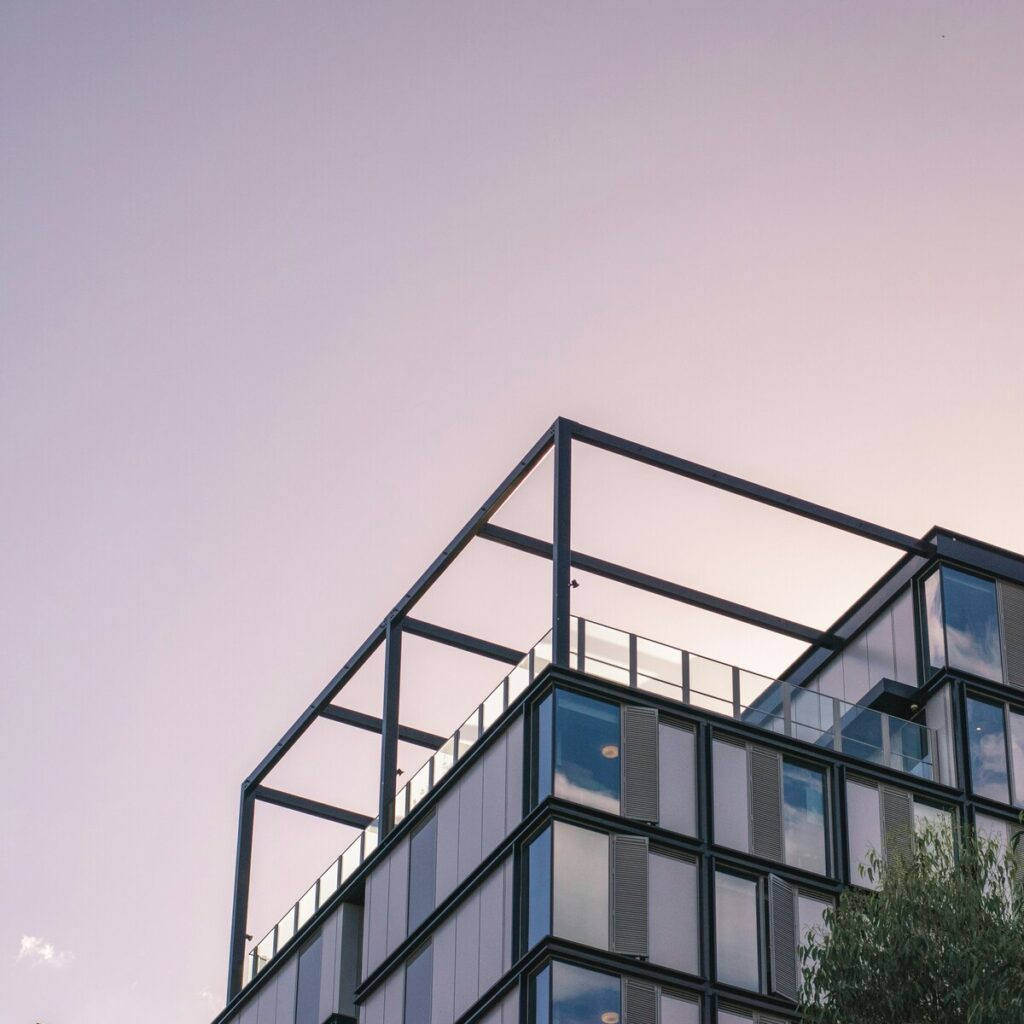
In the world of commercial real estate, the choice of building materials plays a crucial role in the success and longevity of a project. Concrete, known for its strength, durability, and versatility, has become a cornerstone material in the construction of commercial properties. From skyscrapers and office buildings to shopping centers and industrial warehouses, concrete is integral to creating structures that stand the test of time. This blog post explores the benefits of using concrete in commercial real estate, its various applications, and how it contributes to the value and sustainability of commercial properties.
The Benefits of Concrete in Commercial Real Estate
Concrete offers numerous advantages that make it the material of choice for commercial real estate projects. Here are some key benefits:
Durability and Longevity
Concrete is renowned for its durability and ability to withstand heavy loads and harsh weather conditions. This makes it an ideal material for commercial properties that require long-lasting structures capable of enduring high traffic and constant use. Buildings constructed with concrete can last for decades with minimal maintenance, providing a solid return on investment.
Strength and Stability
The strength and stability of concrete are unmatched, making it suitable for large-scale commercial projects. Concrete’s compressive strength allows it to support significant weight, which is essential for multi-story buildings and structures that house heavy equipment or materials. This strength also contributes to the overall safety and resilience of the building.
Versatility
Concrete’s versatility allows it to be used in a wide range of applications, from foundations and structural elements to decorative features and finishes. It can be molded into various shapes and sizes, enabling architects and designers to create innovative and aesthetically pleasing commercial spaces. Whether it’s a sleek, modern office tower or a sprawling industrial complex, concrete can adapt to any design vision.
Energy Efficiency
Concrete’s thermal mass properties help regulate indoor temperatures by absorbing and storing heat, which can reduce the need for artificial heating and cooling. This energy efficiency translates to lower utility costs and a smaller carbon footprint, making concrete a sustainable choice for commercial real estate projects.
Low Maintenance
Concrete structures require minimal maintenance compared to other building materials. They are resistant to rot, rust, and pest damage, which can significantly reduce long-term maintenance costs. This low-maintenance aspect is particularly beneficial for commercial properties, where minimizing operational expenses is a priority.
Applications of Concrete in Commercial Real Estate
Concrete’s adaptability makes it suitable for a wide range of applications in commercial real estate. Here are some common uses:
Foundations
The foundation is the most critical part of any building, providing stability and support. Concrete foundations are known for their strength and durability, making them the preferred choice for commercial buildings. They can support heavy loads and withstand environmental stresses, ensuring the longevity of the structure.
Example: Skyscrapers and multi-story office buildings rely on deep concrete foundations to support their immense weight and provide stability against wind and seismic activity.
Structural Elements
Concrete is commonly used for structural elements such as columns, beams, and floors. These components are essential for the integrity and stability of commercial buildings. Concrete’s strength allows for the creation of large open spaces without the need for excessive support columns, providing more flexible and functional interior layouts.
Example: Shopping malls and convention centers often use concrete beams and columns to create expansive, column-free spaces that can accommodate large crowds and varied activities.
Parking Structures
Parking structures are a vital component of commercial real estate developments, especially in urban areas. Concrete is the material of choice for these structures due to its durability and load-bearing capacity. Concrete parking garages can support the weight of multiple vehicles and resist the wear and tear of constant use.
Example: High-rise office buildings and mixed-use developments typically include multi-level concrete parking garages to provide ample parking for tenants and visitors.
Exterior Facades
Concrete can be used to create striking exterior facades for commercial buildings. Precast concrete panels and architectural concrete finishes offer a range of design possibilities, from sleek modern looks to textured, decorative surfaces. These facades not only enhance the building’s aesthetic appeal but also contribute to its durability and energy efficiency.
Example: Office buildings and hotels often use precast concrete panels for their exteriors, combining visual appeal with robust performance.
Interior Finishes
Concrete is increasingly being used for interior finishes in commercial properties. Polished concrete floors, exposed concrete walls, and decorative concrete elements add a contemporary, industrial aesthetic to office spaces, retail stores, and restaurants. These finishes are not only stylish but also durable and easy to maintain.
Example: Tech companies and creative agencies often opt for polished concrete floors and exposed concrete ceilings to create a modern, open-concept work environment.
Sustainability and Concrete in Commercial Real Estate
Sustainability is a growing concern in commercial real estate, and concrete plays a significant role in promoting environmentally friendly building practices. Here’s how:
Use of Recycled Materials
Concrete can incorporate recycled materials such as fly ash, slag, and recycled aggregates, reducing the demand for virgin resources and minimizing waste. This approach supports the circular economy and enhances the sustainability of construction projects.
Example: Green building certifications, such as LEED (Leadership in Energy and Environmental Design), often reward the use of recycled materials in concrete construction, encouraging developers to adopt sustainable practices.
Energy Efficiency
As mentioned earlier, concrete’s thermal mass properties contribute to energy efficiency by helping to regulate indoor temperatures. This can lead to significant energy savings over the life of the building, reducing its overall environmental impact.
Example: Energy-efficient concrete buildings can achieve lower operating costs and a smaller carbon footprint, making them attractive to eco-conscious tenants and investors.
Longevity and Durability
The long lifespan and low maintenance requirements of concrete structures mean fewer resources are needed for repairs and replacements. This longevity contributes to the overall sustainability of commercial buildings by reducing the need for frequent renovations and minimizing waste.
Example: Commercial buildings with concrete structures can remain functional and attractive for decades, providing sustainable value to owners and occupants.
Best Practices for Using Concrete in Commercial Real Estate
To maximize the benefits of concrete in commercial real estate projects, it’s essential to follow best practices in design, construction, and maintenance. Here are some tips:
Engage Experienced Professionals
Work with experienced architects, engineers, and contractors who specialize in concrete construction. Their expertise will ensure that the project is designed and built to the highest standards, maximizing the performance and longevity of the concrete elements.
Tip: Choose professionals with a proven track record in commercial real estate projects to ensure the best results.
Use High-Quality Materials
Invest in high-quality concrete and reinforcement materials to ensure the durability and strength of the structures. Using the best materials available will reduce the risk of future issues and enhance the overall performance of the building.
Tip: Specify the use of high-grade concrete mixes and consider additives that improve performance, such as fibers for added strength or admixtures for enhanced workability.
Regular Maintenance
Even though concrete requires minimal maintenance, regular inspections and upkeep are essential to ensure its longevity. Address minor issues promptly to prevent them from developing into major problems.
Tip: Implement a routine maintenance schedule that includes inspections, cleaning, and repairs as needed to keep concrete surfaces in optimal condition.
Conclusion
Concrete is a fundamental material in commercial real estate, offering unparalleled durability, versatility, and sustainability. Its applications range from foundational and structural elements to decorative finishes, making it an essential component of modern commercial buildings. By embracing best practices and leveraging the benefits of concrete, developers and property owners can create commercial spaces that are not only functional and aesthetically pleasing but also sustainable and cost-effective in the long run. As the commercial real estate industry continues to evolve, concrete will remain a key player in building the future of our urban landscapes.
- Enhancing Commercial Real Estate Value Through Strategic Upkeep and Aesthetics
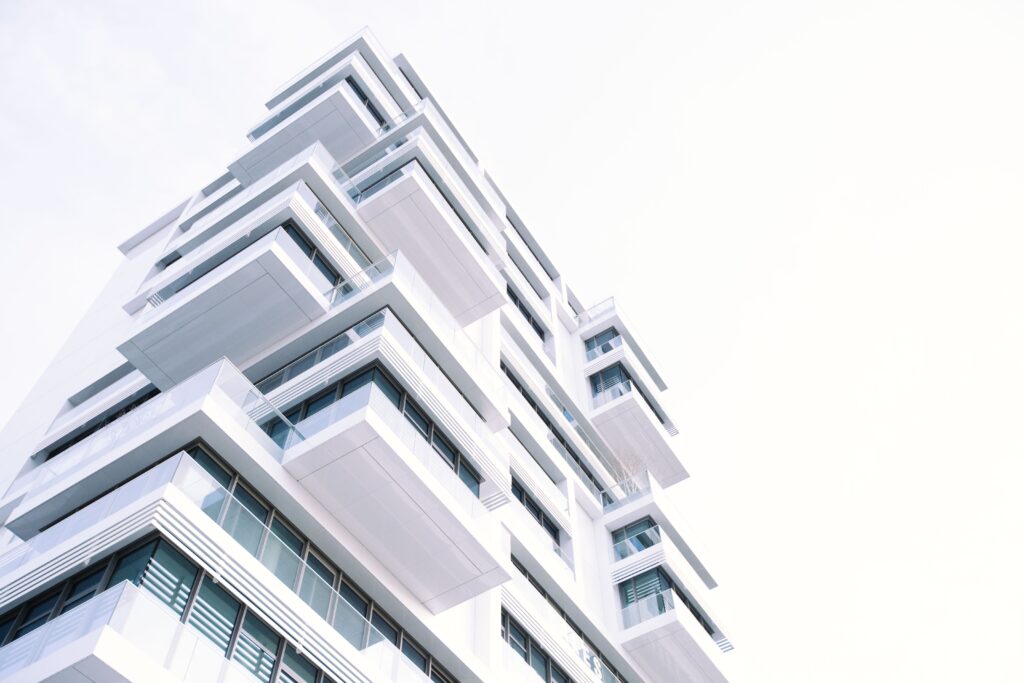
Introduction: The Merger of Functionality and Aesthetics in Commercial Real Estate
The realm of commercial real estate hinges on striking a balance between functionality and aesthetic appeal, necessitating savvy choices in maintenance and design to preserve and enhance property value. In this discourse, we explore the strategic selections in upkeep, such as carpet cleaning, and aesthetic advancements, such as artificial turf installation, to bolster the appeal and functionality of commercial spaces.
Preserving Interior Excellence: The Imperative of Carpet Cleaning
In the domain of commercial properties, the significance of maintaining immaculate interiors cannot be overstated. Regular carpet cleaning plays a pivotal role in ensuring a clean, professional, and welcoming environment. From offices to retail spaces, ensuring the cleanliness of carpeted areas through professional carpet cleaning not only preserves the material but also enhances the overall aesthetic and hygienic profile of the commercial space.
Exterior Aesthetics: Employing Artificial Turf for Sustainable Beauty
Exterior aesthetics provide the initial impression and play a crucial role in crafting the visual identity of a commercial property. Opting for artificial turf installation melds the lush, green visual appeal with reduced maintenance needs, presenting a sustainable and aesthetically pleasing solution. Especially in commercial spaces where appeal must be sustained without necessitating frequent upkeep, artificial turf emerges as a pragmatic choice.
Maintaining External Pristine Conditions with Pressure Cleaning
The external façade of a commercial property stands as a silent ambassador, speaking volumes through its appearance. Employing pressure cleaning to maintain a spotless, professional exterior is imperative to safeguard and elevate the perception of the business operations within. Be it walkways, walls, or windows, ensuring a gleaming exterior through regular pressure cleaning amplifies the appeal and speaks to the professionalism encased within the property.
Conclusion: Upholding and Elevating Commercial Real Estate Value
Curating and maintaining a commercial space that resonates with aesthetic appeal and functional proficiency involves a meticulous blend of strategic upkeep and design choices. From the integral carpet cleaning within to the strategic artificial turf installation and diligent pressure cleaning outside, each component works synergistically to uphold and augment the value and appeal of commercial real estate, ensuring it stands out in a competitive market.
©2023 Commercial Property Insights. All Rights Reserved.
- Partnering with Professionals: The Role of Pest Control Companies in Commercial Real Estate

Managing a commercial property is a multifaceted endeavor. Among the responsibilities that landlords and property managers bear, one aspect often gets overlooked – pest control. While it may not seem as pressing as financial management or tenant relations, effective pest control is crucial for maintaining a healthy, safe, and appealing commercial space. This post will explore the significant role of pest control companies in commercial real estate.
The Critical Need for Pest Control in Commercial Real Estate
Pest problems can pose severe risks to commercial properties. They can harm a business’s reputation, disrupt operations, and even result in regulatory fines or legal actions. More critically, pests like termites can cause structural damage, while rodents and insects can pose health risks to occupants. Therefore, proactive pest management should be a priority in commercial real estate.
Professional Pest Control: A Valuable Ally
Professional pest control companies bring a wealth of expertise and resources to the table. Their knowledge of various pests, their habits, and effective treatment methods can be invaluable for commercial property managers.
- Preventative Measures: Pest control companies can identify potential pest risks and implement preventative measures. These might include sealing potential entry points, recommending proper waste management practices, or applying pest deterrents.
- Routine Inspections: Regular inspections by pest control professionals can help detect early signs of an infestation. Early detection can significantly reduce the impact of a pest problem and the cost of treatment.
- Pest Treatment Plans: In case of an infestation, pest control companies can develop and execute a comprehensive treatment plan. This will include identifying the pest species, determining the extent of the infestation, and implementing targeted treatment methods.
- Follow-Up and Maintenance: Post-treatment, pest control companies provide follow-up services to ensure the effectiveness of the treatment and prevent future infestations. This can include ongoing monitoring, applying preventative treatments, and educating property managers on best practices for pest prevention.
Enhancing Tenant Satisfaction and Retention
Maintaining a pest-free environment significantly enhances tenant satisfaction. No tenant wants to deal with a pest problem, and frequent pest issues can lead to tenant turnover. Partnering with a pest control company can help maintain high standards of cleanliness and habitability, contributing to tenant retention.
Adhering to Health Regulations and Standards
Commercial properties, particularly those in the food service or hospitality industries, must adhere to strict health and safety regulations. A pest infestation can result in violations, fines, and even business closure. Regular inspections and preventative treatments by a pest control company can help ensure compliance with these standards.
Preserving Property Value
By preventing pest-related damage, regular pest control helps maintain and even enhance a commercial property’s value. This can be particularly important for property owners considering selling or refinancing their property.
Conclusion
Pest control is a critical aspect of commercial property management that often goes unnoticed until a problem arises. Proactive pest management, particularly through partnering with a professional pest control company, can provide significant benefits. From preserving property value, ensuring regulatory compliance, and enhancing tenant satisfaction, the role of pest control companies extends far beyond merely “exterminating.”
When it comes to protecting your commercial real estate investment, pest control companies are an essential partner. They provide not just the expertise to address existing pest issues, but also the resources and knowledge to prevent future infestations, making them a crucial part of a successful commercial property management strategy.
- Commercial Gutter Cleaning: Ensuring Smooth Operations and Property Protection
Introduction:
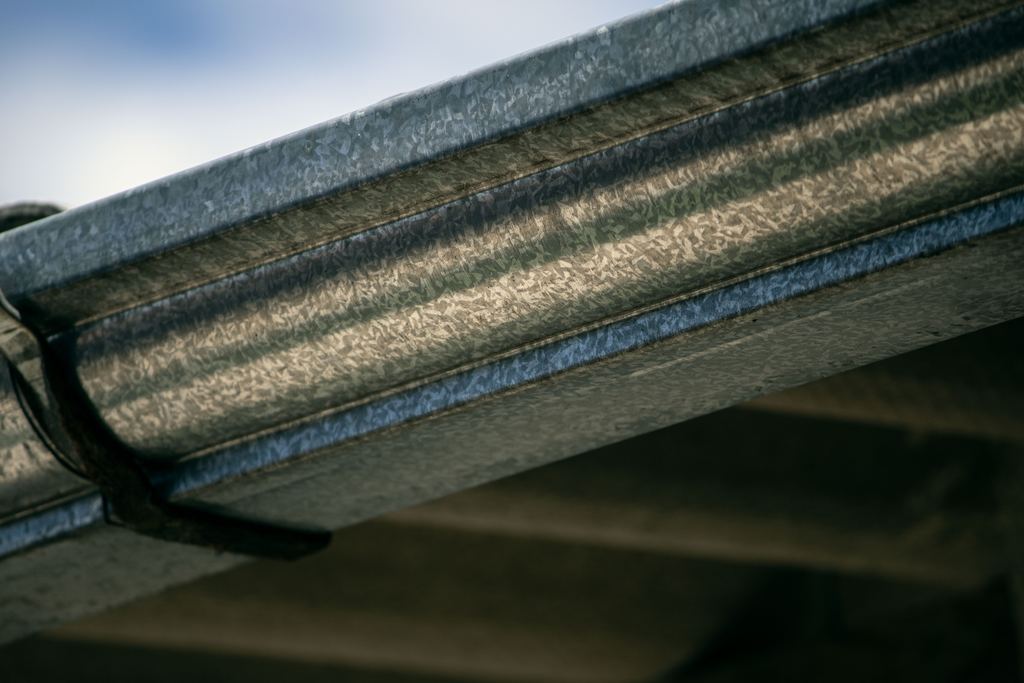
Gutters play a crucial role in maintaining the integrity of commercial properties by effectively channeling rainwater away from the building’s foundation. However, they often go unnoticed until a problem arises. Regular gutter cleaning is essential to prevent blockages, water damage, and costly repairs. In this blog post, we will explore the importance of commercial gutter cleaning, the benefits it provides, and the best practices to ensure the longevity and functionality of your property.
Why Commercial Gutter Cleaning Matters:
- Preventing Water Damage:
Clogged or overflowing gutters can lead to water seepage into the building’s foundation, causing structural damage, dampness, and mold growth. Regular gutter cleaning ensures that rainwater is effectively diverted away from the property, protecting its foundation and preventing potential water-related issues. - Avoiding Landscape Damage:
Gutters play a significant role in preventing erosion and water damage to the surrounding landscape. By directing rainwater away from the building, properly maintained gutters prevent soil erosion, landscaping washouts, and damage to plants, trees, and walkways. - Extending Roof Lifespan:
Gutters are designed to collect rainwater runoff from the roof and direct it away from the building. When gutters become clogged with leaves, debris, or stagnant water, it can lead to excessive weight and strain on the roof. Regular cleaning helps prevent gutter overflow, minimizing the risk of water damage to the roof and extending its lifespan. - Mitigating Pest Infestations:
Clogged gutters provide an ideal breeding ground for pests, including mosquitoes, birds, rodents, and insects. Stagnant water and debris accumulation create a hospitable environment for pests, potentially leading to infestations and property damage. Regular gutter cleaning reduces the likelihood of pest problems, promoting a healthy and hygienic environment.
Best Practices for Commercial Gutter Cleaning:
- Regular Inspections:
Schedule regular inspections to assess the condition of your commercial gutters. Look for signs of blockages, leaks, loose connections, or damaged sections. Early detection allows for timely maintenance and prevents potential issues from escalating. - Seasonal Cleaning:
Plan for seasonal gutter cleaning to remove accumulated debris, leaves, twigs, and dirt. The frequency may vary depending on the surrounding environment and the volume of debris. Consider scheduling cleanings in the fall, spring, and after significant storms. - Professional Expertise:
Engaging professional gutter cleaning services ensures thorough and efficient maintenance. Professional cleaners have the necessary equipment, expertise, and safety protocols to clean commercial gutters effectively. They can also identify any potential issues that may require further attention, such as gutter repairs or replacements. - Downspout Clearance:
Alongside gutter cleaning, ensure that downspouts are clear of any obstructions. Blockages in downspouts can prevent proper water flow and lead to overflowing gutters. Regularly check and clear downspouts to ensure uninterrupted water drainage. - Safety Considerations:
Gutter cleaning involves working at heights, so prioritize safety. If opting for in-house cleaning, provide appropriate training and equipment to ensure the safety of your maintenance staff. Alternatively, hire professional cleaning services equipped with safety measures and insurance coverage.
Conclusion:
Commercial gutter cleaning is an essential maintenance task that safeguards your property from water damage, preserves its structural integrity, and ensures the longevity of roofing systems. By implementing regular inspections, scheduling seasonal cleanings, engaging professional services, and maintaining clear downspouts, you can prevent costly repairs, protect your investment, and maintain a safe and healthy environment for tenants and visitors.
Remember, neglected gutters can lead to serious consequences such as water intrusion, landscape damage, and pest infestations. So, prioritize gutter maintenance as part of your overall property upkeep and invest in professional services when necessary. By doing so, you can enjoy the peace of mind that comes with a well-maintained commercial gutter system, knowing that your property is protected and its functionality is optimized.
- Preventing Water Damage: